It’s taken me quite a while to choose a topic to write about—not because of a lack of ideas, but because I have so many. It’s struck me with a type of decision paralysis. So instead of trying to narrow it all down, let me start from the beginning, giving you a glimpse into my life growing up in the education field and sharing my current passions and beliefs regarding education.
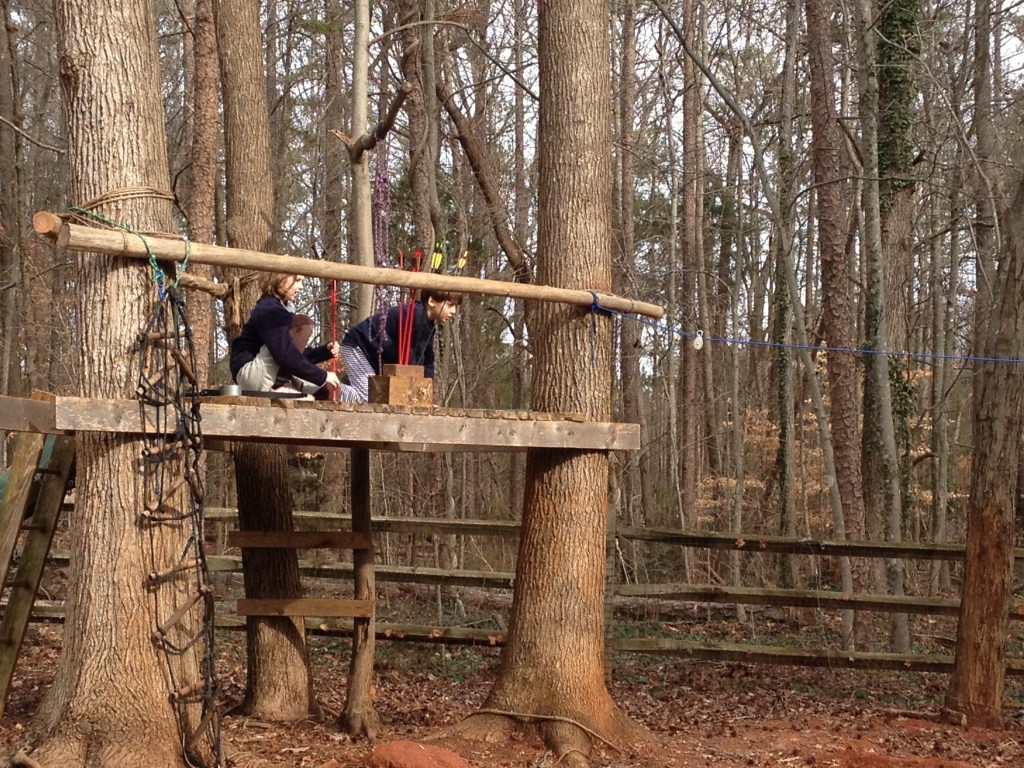
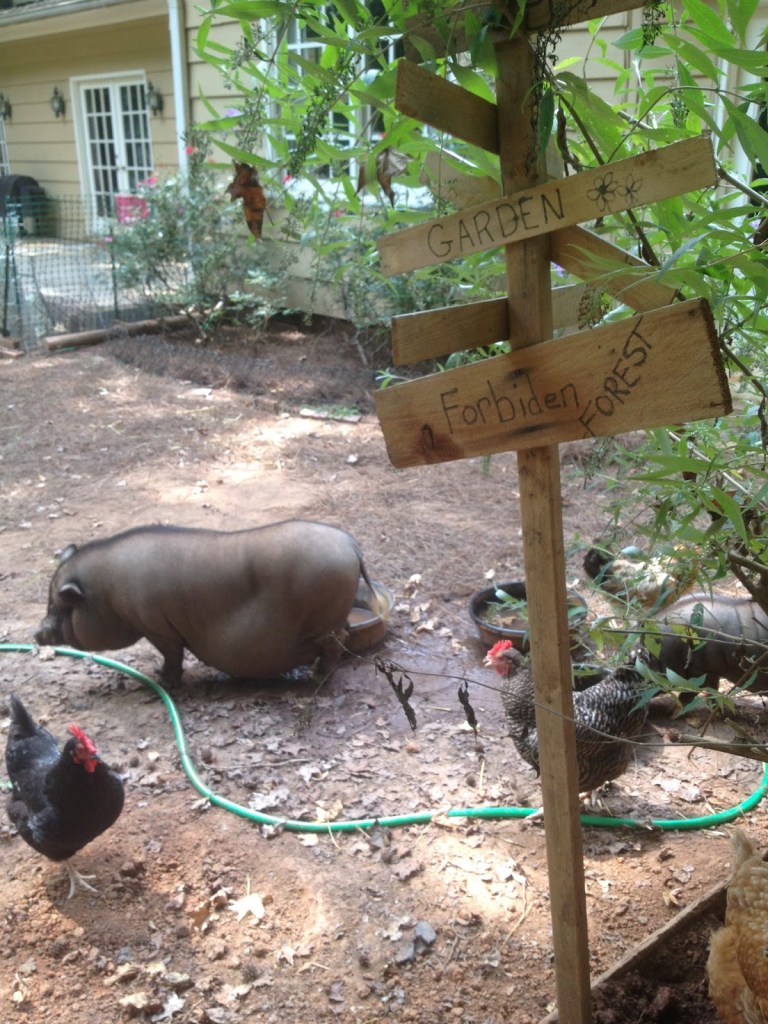
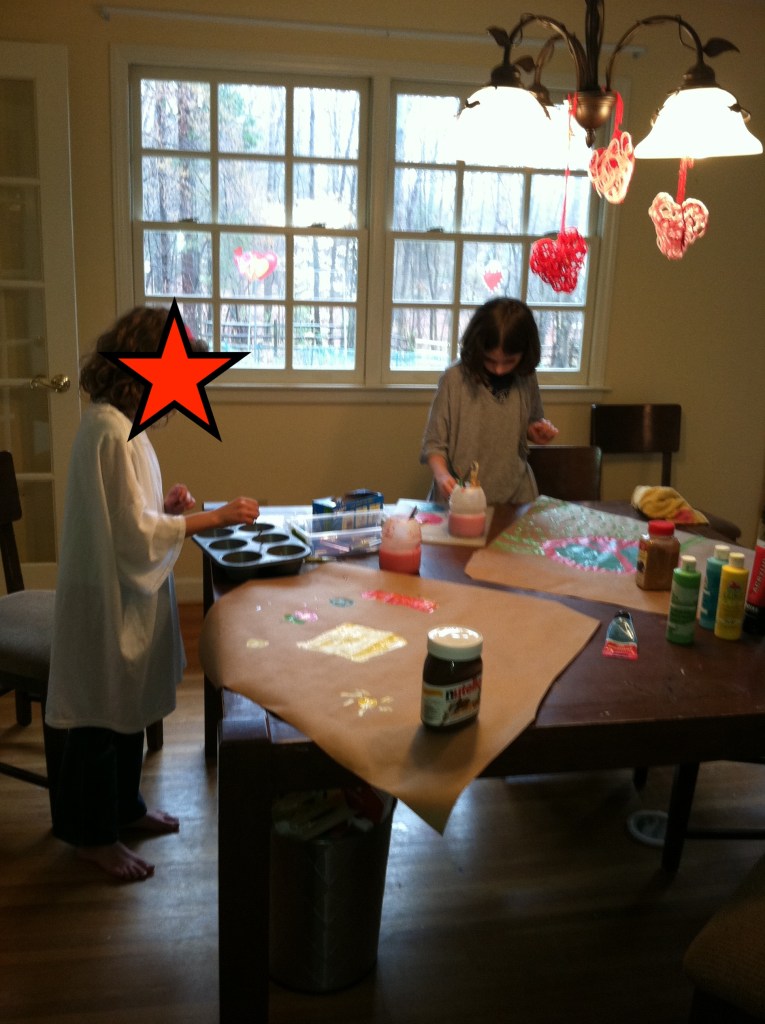
Growing up, I lived on a small hobby farm located in the suburbs of Charlotte, North Carolina. My house was of moderate size for the time and always felt very cozy and full of light, love, and experiences. Through the back windows in my living room, you could see chickens, pigs, and bunnies, a garden, and lots of interesting inventions created by my little brother, most of which were contained in the tree fort our father had built for us. The center of the house held a large table we used for dining. It was always covered in various mismatched splotches of paint, sometimes holding artistic designs that my brother and I had created on the surface. This table was the center of everything in our house. We not only dined at this table, but we also did arts and crafts, school projects, educational classes held with friends, and so on. You see, I did not go to the typical school that most children my age went to. I was homeschooled, and this was the center of my life.
Homeschooling is a lot different than traditional schooling. My mother taught me based on my own interests and a few subjects she deemed important for later life success. I picked up the things I was self-interested in fast, with great motivation and determination. I had a love for music, dance, the sciences, and nurturing young children. These things I engaged in often.
Education in my home didn’t just consist of academic subjects and learning opportunities; it was my family’s lifestyle and the focal point of my childhood. My mother did extensive self-motivated research on best practices in education and studied everything from holistic health to prevention, treatment, and best teaching practices for children with a variety of mental health issues and learning struggles. Not only did she have a passion for education and health herself, out of pure curiosity, but she also had two children with severe learning difficulties, which, in my mind, drove her motivation to exceptional levels. She was not quiet about her findings. I remember her frequently telling me the “why” behind particular teaching methods and unconventional, albeit now a lot more recognized and known, health and educational practices. I myself found great interest in these topics as well and would have conversations with my mother on these topics as well as passively soak up her knowledge through my adolescent years.
Being homeschooled was such a gift for me. It allowed for flexibility, creativity, a deep sense of ownership over my learning, and the opportunity to engage in and practice my passions. Throughout my homeschool journey, I participated in homeschool co-ops (collaborative learning communities where families came together to teach and connect with one another). My greatest source of joy during these years was watching children and helping them grow! I was blessed with the opportunity to engage with children of all ages due to the multi-age nature ofhomeschooling. I frequently found myself electing to take on the role and responsibilities of caring for and entertaining the youngest in the group. It started with watching the youngest children in our homeschool co-op during adult planning meetings (I was around 9–10 at this time) to creating my own educational camps for this same community at the age of 12, to co-directing and facilitating (Facilitating—teaching but with an emphasis on letting the children take the lead of their own learning) a Forest Day program at the age of 18. As a facilitator, my role wasn’t to teach in the traditional sense, but to support, guide, and enrich whatever learning naturally unfolded in the outdoor setting.
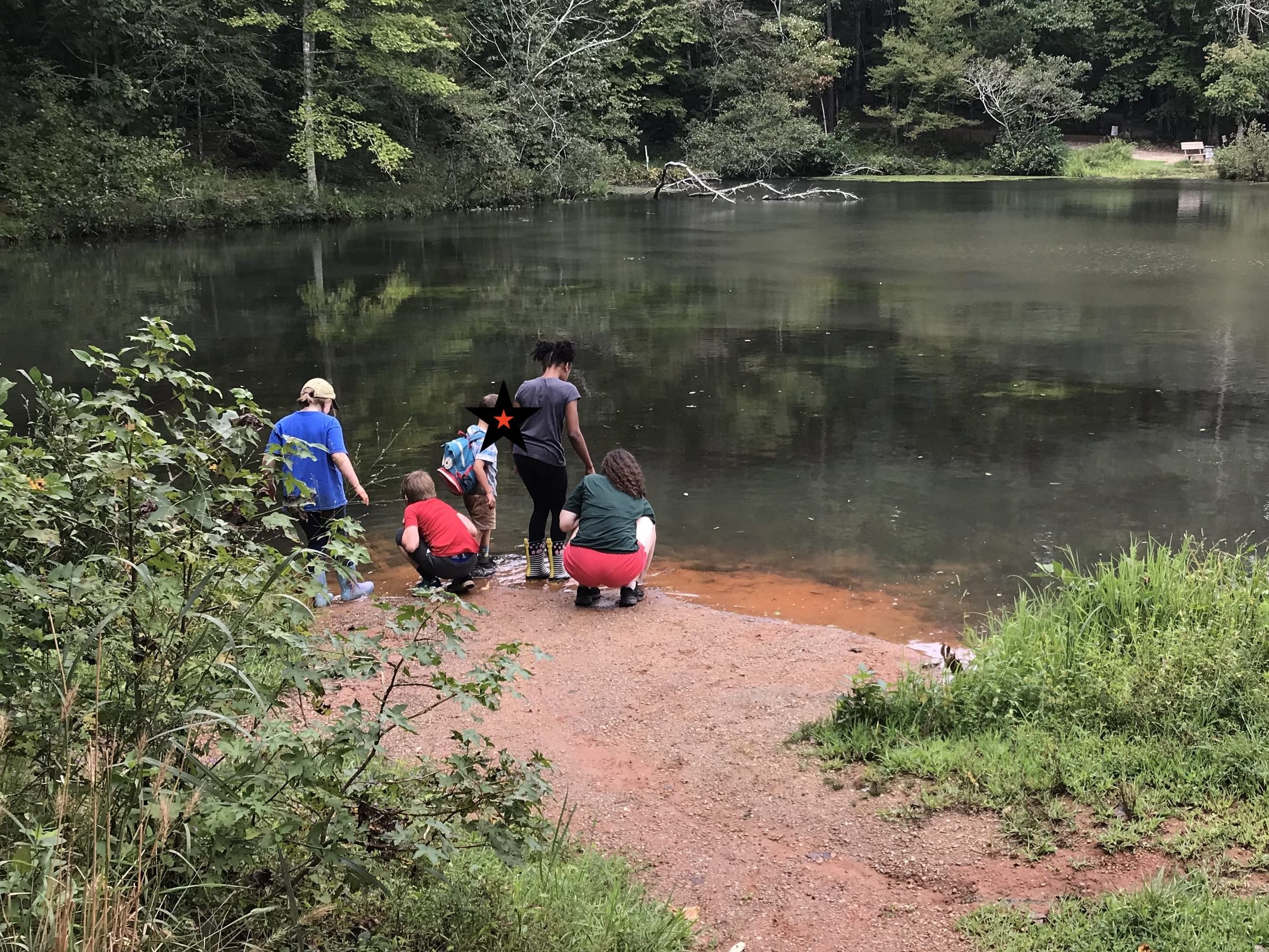
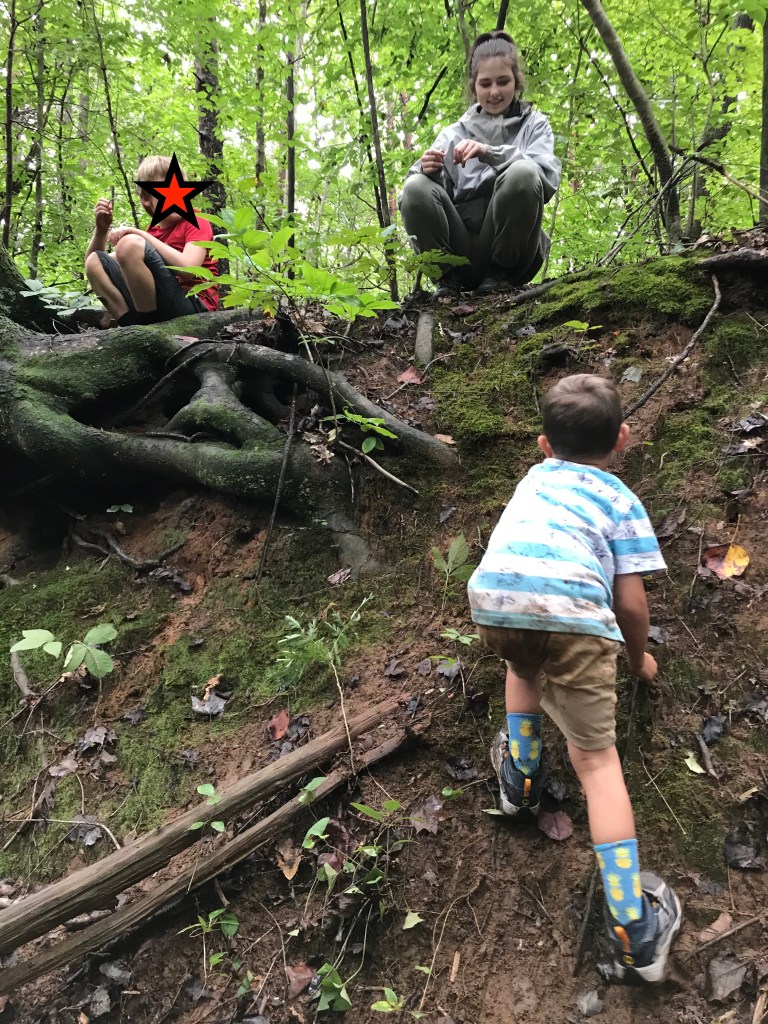
At the age of 18, I also began pursuing my associates in education while simultaneously working at Open Door School preschool—the preschool I had once attended as a child. Working at this school while in college gave me the opportunity to apply my learned knowledge in a hands-on way, which was immensely valuable. I learned a lot through my college classes, but I really feel that I gained the most valuable knowledge by observing my co-teacher and colleagues. The most valuable skill I learned during these years working at the school was about the power of language in early childhood and that the way we speak to children matters immensely. I learned how to speak to children using language that promotes both their social/emotional development and adds meaning and context to their learning and experiences.
What I’ve come to believe—what’s rooted deeply in me—is this:
Children are born curious. They are natural explorers, problem solvers, and thinkers. Our job as educators and caregivers isn’t to pour knowledge into them, but to create opportunities for their curiosity to thrive. To promote a love for learning and exploration by listening to their needs, desires, and curiosities, and fostering these desires through trust and guidance. Trust in their innate sense to learn while providing guidance so that they may utilize this love for learning to engage in meaningful experiences and ultimately lead to meaningful contributions to the world.
 Facilitator of Learning
Leave a comment